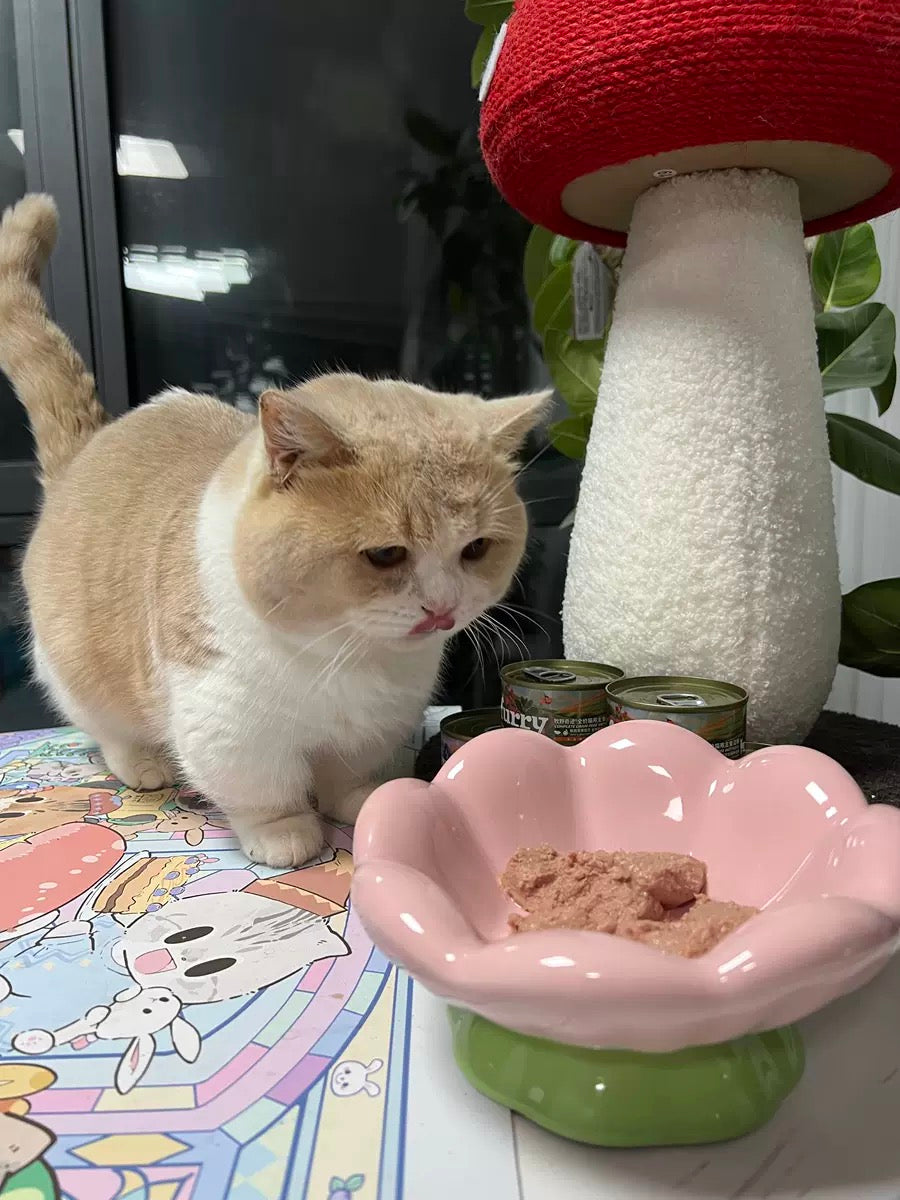
Don’t Let Your “Food-Loving Fur Baby” Become a Sick Pet: Why Slow Feeder Bowls Are a Must-Have
Does your furry friend zoom to their bowl like a rocket the second they hear the crinkle of a food bag? Do they dive in and lick their bowl clean in seconds, not even leaving a single crumb behind?
Many pet owners see this as a sign of a “healthy appetite” and even feel a little proud. But did you know that this gobbling-up style is quietly harming their health?
The Hidden Dangers of Fast Eating
1. Gastric Dilatation-Volvulus (GDV)
This is the #1 silent killer for large-breed dogs. Eating too fast traps a huge amount of air with the food, causing the stomach to expand rapidly and even twist.
When this happens, your dog may retch, have a swollen abdomen, and struggle to breathe. The golden rescue window is just a few hours, and the mortality rate is extremely high.
2. Indigestion & Vomiting
Food that enters the gut without proper chewing puts massive strain on the digestive system.
You might often see your dog regurgitating undigested food shortly after eating. Over time, this can lead to chronic gastritis.
3. Obesity & Blood Sugar Spikes
It takes 20 minutes for the brain to receive the “I’m full” signal. If your pet eats too quickly, they’ll have already overeaten before their brain catches up.
This not only leads to obesity but also causes sharp blood sugar fluctuations, increasing the risk of diabetes.
4. Choking & Coughing
Especially for small dogs and cats, swallowing large food chunks whole can easily get stuck in the trachea, leading to choking or aspiration pneumonia.
🥣 Slow Feeder Bowls: Turn Mealtime into a “Savoring Experience”
The concept is simple—slow feeder bowls use raised ridges, mazes, or grid patterns to prevent pets from gobbling up big mouthfuls. Instead, they have to nudge and lick the food out of the gaps with their tongue and nose.
This small change brings huge health benefits:
• Lower Risk of Digestive Issues: Slower eating reduces air intake, significantly lowering the chance of GDV. Indigestion and vomiting will also improve noticeably.
• Easier Weight Management: Since they eat more slowly, pets feel full earlier and naturally stop overeating, making weight control a breeze.
• More Fun at Mealtime: For curious pets, a slow feeder bowl turns eating into a fun puzzle game. It keeps them mentally stimulated and reduces boredom or anxiety.
• Suitable for All Ages: Whether it’s a puppy prone to choking, a senior pet with a sensitive stomach, or a pet on a weight-loss plan, slow feeders work for everyone.
💡 Tips for Choosing the Right Slow Feeder Bowl
• Prioritize Food-Safe Materials: Ceramic, stainless steel, or high-quality plastic are great choices. Avoid low-quality materials that may release harmful substances.
• Pick the Right Design for Their Size: Large dogs can use maze-style bowls with taller ridges, while small dogs and cats are better off with grids or shallow grooves to prevent food from getting stuck.
• Easy to Clean is Key: Look for dishwasher-safe or detachable designs to prevent bacteria from growing in leftover food residue.
Don’t mistake “fast eating” for a good thing! Swapping to a slow feeder bowl is like buying health insurance for your pet. After all, the best “food champion” is the one who can stay by your side for years to come.